


A QML collection room is now located within our clinic
QML Pathology Opening Hours
Monday–Friday
7.30am – 15.30pm
Australia enjoys an outdoor lifestyle, however one of the downsides to this is that we are the skin cancer capital of the world. With the highest rates of both melanoma and non-melanoma skin cancers, an annual skin check is imperative for all adults over the age of 18.
At Generations Medical, our Skin Health service provides comprehensive skin checks, mole monitoring, and expert treatment for all skin concerns. Our experienced doctors use advanced dermoscopy tools and clinical expertise to detect and treat skin conditions early, giving you peace of mind.
Whether you need a routine annual skin check, have a concerning mole, or require treatment for a diagnosed skin cancer, our team is here to support you with compassionate, thorough care.

As with any other disease, prevention is better than cure. To reduce the risk, The Skin Cancer Foundation recommends that you:
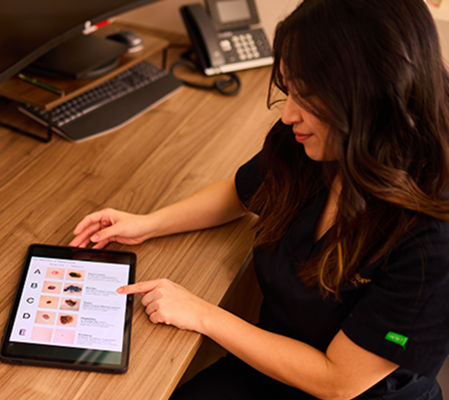
Call us for an appointment – a standard 15 minute appointment is sufficient.
During your annual skin cancer check, your doctor will check your skin thoroughly using advanced training and specialised tools to check your moles for any signs of cancer.
As well as a physical exam, your skin cancer check includes a discussion of risks and advice on how to protect yourself from the harmful effects of Australia’s intense sunshine.

If you’re concerned about a particular mole, then please see your GP immediately. Don’t wait for your annual skin health check. It’s worth getting a mole checked if it has changed in:
Early identification makes the treatment of suspect lesions a much more simple process. We may take a biopsy (small tissue sample) of any suspicious moles.
If skin cancer is detected, then we would almost always remove it using:

Dr Stephen Loo
MBBS, FRACGP

Dr Tara Hillister
BSc, MBBS, FRACGP

Dr Eriko Yamashita
FRACGP, DRANZCOG, MD
Dr Nicole O’Sullivan
MBBS (Hons), FRACGP

Dr John Bennett
BA (Hon) FACHI FRAGP MBBS PhD
We encourage online bookings because we understand that your time is valuable and that nobody likes waiting on hold.
Book your next appointment with us online:
