


A QML collection room is now located within our clinic
QML Pathology Opening Hours
Monday–Friday
7.30am – 15.30pm
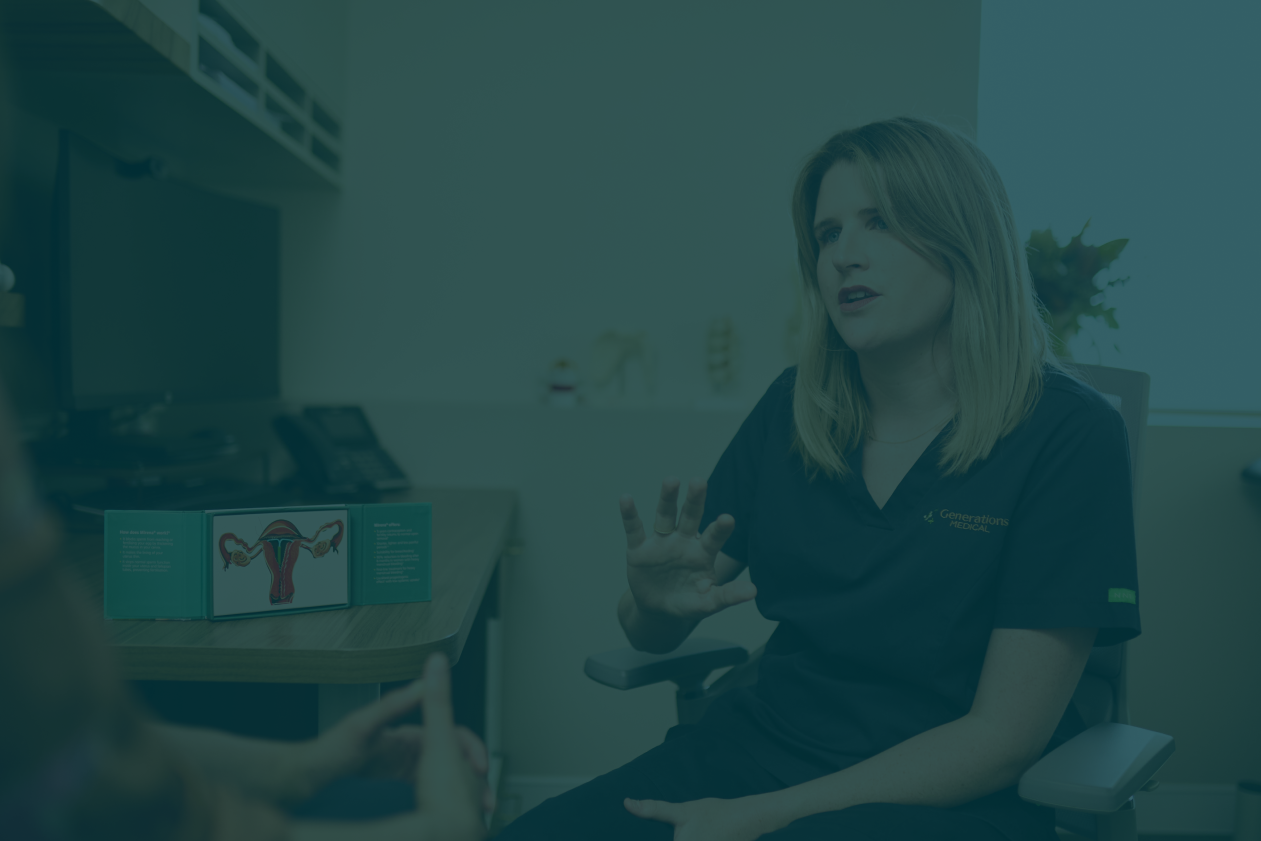

Mirena, Kyleena and copper IUDs, contraceptive implants and contraception advice – all here on site at our Taringa clinic, with doctors who take the time to talk it through with you.
Or call us on (07) 3507 1110 – nobody likes waiting on hold, so online booking is usually quicker.


Experienced GPs inserting IUDs on site

Comfort and pain relief options discussed with you

Female doctors available

Level 1, Gailey Fiveways – parking on site
Choosing contraception is a personal decision, and the right choice is the one that suits your body, your stage of life and your plans. Here at Generations Medical we offer the full range of contraception options, including IUD insertion right here on site, so you don’t need to be referred elsewhere for a procedure your GP can do.
Our doctors take the time to help you understand your options, your body and what to expect – without rushing you and without assuming you have already made up your mind. If you arrive knowing exactly which device you want, we will get on with it. If you arrive unsure, that is just as welcome, and we will work through it together.
We look after women across St Lucia, Taringa, Indooroopilly, Toowong and the wider western suburbs, and we see patients at every stage – from a first conversation about contraception in your late teens, through to managing heavy periods in your forties.
Some of the areas we can help with include:
An IUD, or intrauterine device, is a small device placed inside the uterus to prevent pregnancy. It is one of the most effective forms of contraception available – more than 99% effective – and once it is in, there is nothing to remember day to day. That is why IUDs are often described as “fit and forget” contraception.
There are two kinds, and they work quite differently.
Hormonal IUDs release a small amount of progestogen directly into the uterus. Very little reaches the rest of your body, which is why many women who have not tolerated the pill do well with a hormonal IUD. Most women find their periods become much lighter, and some stop altogether.
Copper IUDs contain no hormones at all. They work through copper, which prevents sperm from fertilising an egg. This is a good option if you would rather avoid hormones entirely, or if hormonal contraception is not suitable for you. Periods usually continue as normal, and can be heavier for the first few months.
An IUD does not protect against sexually transmitted infections, so condoms are still worth using where that is a consideration. We are happy to arrange STI screening at the same appointment.
Which one is right for you? That depends on your periods, your medical history, whether you want to avoid hormones, and how long you would like cover for. It is exactly the kind of conversation our doctors are here for – bring your questions.
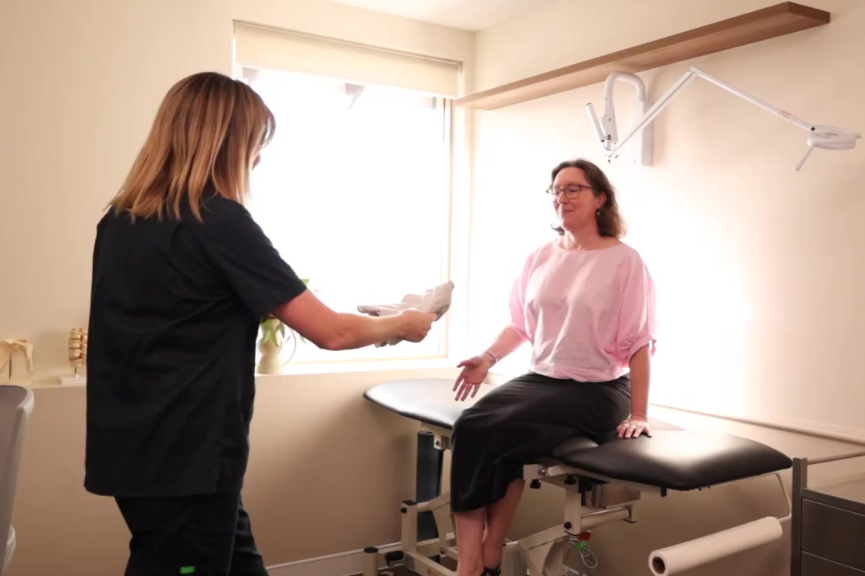
Plenty of the women we insert IUDs for are not primarily after contraception at all. A hormonal IUD is one of the most effective treatments available for heavy periods, and it is often the first thing we suggest before anything more invasive is considered.
A hormonal IUD may help if you are dealing with:
If your periods have changed, or you have been putting up with bleeding you suspect is not normal, please come and talk to us. “Heavy periods” are common, but that does not make them something you have to live with.
We also run a dedicated menopause clinic and a women’s health service, so if your contraception question sits alongside perimenopausal symptoms, we can look at the whole picture in one place rather than sending you between clinics.
We know this is the part most women want answered before they book, so we will be straightforward about it.
IUD insertion is uncomfortable. Most women describe strong period-like cramping that builds for a minute or two and then eases. It is brief – the insertion itself usually takes only a few minutes – but it is not nothing, and we do not pretend otherwise. What makes the difference is an unhurried appointment, a doctor who talks you through each step, and pain relief that is discussed with you beforehand rather than decided for you.
What we offer to keep you comfortable:
We will talk through which of these suits you at your first appointment. If at any point you want us to stop, we stop. That is always an option and it is never a problem.
Most women drive themselves home. Some prefer to bring someone with them, and that is welcome too.
IUD insertion at Generations Medical follows a two appointment pathway. It means you are never making a decision on the spot, and it gives us time to check that an IUD is the right fit for you.
1. Your consultation
We talk through your periods, your medical history and what you want from contraception. We help you choose between a hormonal and a copper IUD, examine you if needed, arrange a pregnancy test or cervical screening if either is due, and give you a script for your device. We also agree on your pain relief plan and book your insertion appointment.
2. Your insertion
Bring your device with you. We usually aim for a time in the week after your period starts, though it does not have to be. The insertion itself takes only a few minutes; the appointment is longer so nothing is rushed. You will rest afterwards until you feel ready to go.
3. Your check-up
We will see you again a few weeks later to make sure everything is settled and to answer anything that has come up. After that, an IUD needs no routine appointments until it is due for replacement – we will let you know when that is.
Afterwards. Expect cramping for a day or so and irregular spotting for the first few months while your body settles – this is normal and it does improve. With a hormonal IUD, periods usually become much lighter by around three to six months. If you have heavy bleeding, severe pain, a fever or an unusual discharge, please call us rather than waiting it out.
An IUD is not the right answer for everyone, and we are just as happy to help you with any of the alternatives.
Contraceptive implant. A small rod inserted under the skin of your upper arm, effective for three years. Insertion and removal both take a few minutes under local anaesthetic, and we do them here on site.
The contraceptive pill. Combined or progestogen-only, with a range of formulations. If your current pill is not agreeing with you, it is often a matter of trying a different one rather than giving up on the pill altogether.
The vaginal ring. Inserted and replaced by you at home, with a monthly cycle.
The contraceptive injection. Given every twelve weeks, in the arm or buttock.
Emergency contraception. If you need emergency contraception, contact us as early as you can – the options widen the sooner you are seen, and a copper IUD is one of them.
Switching or stopping. Changing from one method to another needs a little planning so you are not left without cover, and stopping contraception when you are hoping to conceive is worth a conversation too. Either way, book in and we will map it out with you.
Removal is much quicker and more comfortable than insertion – usually a matter of seconds, and most women are surprised by how straightforward it is.
We can help if:
You do not need to have been a patient with us before, and you do not need a referral. If your device was inserted at another clinic, bring whatever details you have about it and we will take it from there.
Generations Medical is a private billing practice. Both appointments in the IUD pathway attract a private fee with a Medicare rebate, and the device itself is dispensed by a pharmacy on a script we provide – it is subsidised on the PBS, so the cost is modest.
Because fees depend on the length of your appointment and what is done at the visit, we would rather quote you properly than leave you guessing. Please call reception on (07) 3507 1110 and we will talk you through the current fees for a consultation, an insertion and a removal before you commit to anything.
QML Pathology is on site, Monday to Friday, if any tests are needed.
No. You can book directly with us – no referral and no gynaecologist appointment required. Our GPs insert IUDs here at the clinic.
The insertion itself takes only a few minutes. We book a longer appointment so that nothing is rushed and you can rest afterwards.
Most women feel strong period-like cramping that builds briefly and then eases. We offer local anaesthetic, inhaled pain relief and a longer appointment with a nurse present, and we agree on your pain relief plan before the day.
Yes. We can numb the cervix with local anaesthetic, and the green whistle is available for you to use yourself during the procedure. We will discuss which suits you at your first appointment.
Most women drive themselves home. If you use Penthrox you will need to wait until it has worn off, and we will tell you when you are safe to drive. You are welcome to bring someone with you.
We are a private billing practice, so a fee applies to each appointment with a Medicare rebate, and the device is dispensed on a PBS-subsidised script from a pharmacy. Please call reception on (07) 3507 1110 for current fees.
Yes. Insertion can be a little more uncomfortable, which is exactly why we take pain relief seriously and allow a longer appointment.
With a hormonal IUD, periods usually become much lighter and some women’s periods stop altogether. Copper IUDs do not change your hormones, so periods continue and may be heavier at first.
A copper IUD works immediately. A hormonal IUD works immediately if inserted in the first seven days of your cycle; otherwise use additional contraception for seven days.
Fertility returns quickly once the device is out – usually straight away.
Yes. You do not need to have been a patient with us before. Bring any details you have about the device.
Yes, we have female GPs who insert IUDs, and you are welcome to request one when you book.
Yes. If your cervical screening test is due, we can do it at the same visit.
We encourage online bookings because we understand that your time is valuable and that nobody likes waiting on hold. Book your next appointment with us online:
When you book, choose a standard consultation for your first appointment and mention IUD or contraception in the reason for your visit – that way we can set aside the right amount of time for you. If you would prefer a female doctor, let reception know and we will arrange it.
Generations Medical
Gailey Fiveways, Level 1, 144 Indooroopilly Rd, Taringa QLD 4068
Phone: (07) 3507 1110
Monday to Friday, 7:30am – 5:00pm. Closed weekends and public holidays.
We look after patients from Taringa, St Lucia, Indooroopilly, Toowong and across Brisbane’s western suburbs.
We encourage online bookings because we understand that your time is valuable and that nobody likes waiting on hold.
Book your next appointment with us online:
